
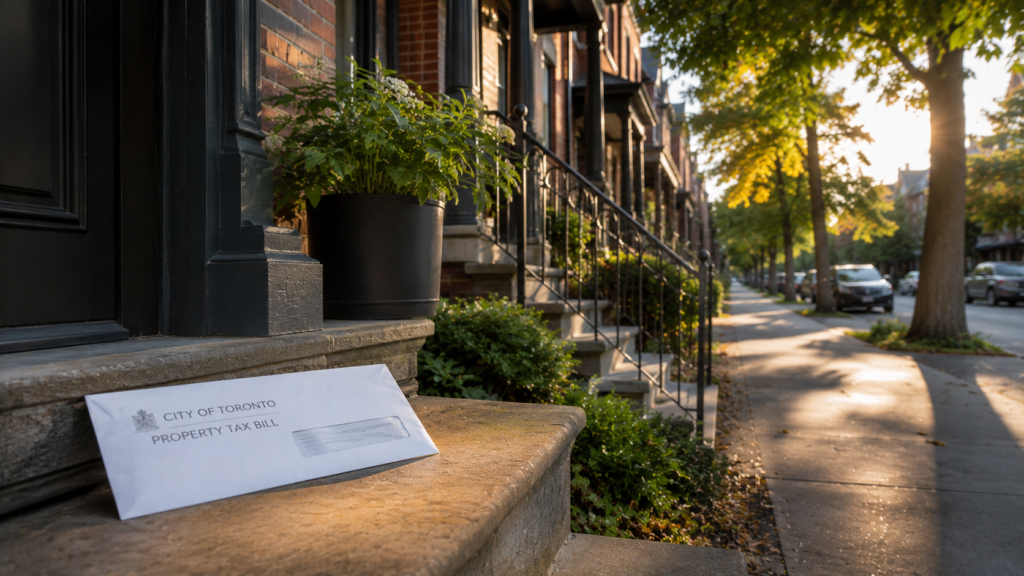
You open a letter from the City of Toronto and learn your property has been deemed vacant. The bill says you owe the Vacant Home Tax (VHT), and the amount is enough to make you sit down and read it twice.
The Vacant Home Tax is charged at 3 per cent of your property’s Current Value Assessment (CVA) when a home sat unoccupied for more than six months in the previous year, unless it qualifies for an exemption. On an average Toronto home, that is a serious bill, not a rounding error on your regular property tax statement.
If you believe the city got it wrong, you have options. The complaint and appeal process can reverse the charge, but the deadlines are strict and easy to miss. Below I walk through how that process works and what to do the day the bill arrives.
How the Vacant Home Tax actually applies to your home
The city sends the bill based on its own records and your annual declaration. If you did not file a declaration, or if the city disagrees with what you reported, you can end up deemed vacant even when the home was not sitting empty in any meaningful sense.
Common situations that trigger disputes include renovations with permits, a property listed for sale, a tenancy that was not properly documented, or a home left empty after a death in the family. The tax itself is separate from your regular property tax bill, but both depend on the city having accurate information about your property.
I covered how the tax works and which exemptions exist in my earlier post on the Vacant Home Tax. This post focuses on what to do after you receive a bill you disagree with.
Toronto Vacant Home Tax 2026: starting your complaint
If you disagree with your VHT bill, the first step is filing a Notice of Complaint through the city’s online portal at toronto.ca/vacanthometax.
For a standard 2025 Vacant Home Tax bill, the city has set a dispute deadline of December 31, 2026. That is the date to mark on your calendar if you received a regular Notice of Assessment and want to challenge it.
If you received a Supplementary Notice of Assessment after an audit, the rules are tighter. You must file a Notice of Complaint within 90 days of the date printed on that supplementary bill, not December 31.
The complaint has to explain why you believe the property should not be classified as vacant. Acceptable reasons include the home being your principal residence, being under renovation with permits, being tenanted, or being empty for a qualifying hardship reason like a hospital stay.
Do not assume a phone call to the city replaces the formal complaint. The Notice of Complaint is the step that starts your dispute on the record. Without it, you are generally stuck with the bill.
What happens after you file the Notice of Complaint
Once the city receives your complaint, it reviews the documentation you provided and issues a written decision. This can take weeks, and during busy periods it can take longer, so file early rather than close to the deadline.
If the city’s decision still does not go your way, you have a further 90 days from the date of that decision to file a formal appeal. This second window is where a lot of homeowners get tripped up. They assume the complaint was the end of the process and miss the appeal deadline entirely.
Here is the sequence to keep straight:
- Receive your VHT bill and confirm which type it is: regular assessment or supplementary audit notice
- For a standard 2025 bill, file a Notice of Complaint before December 31, 2026
- For a supplementary audit bill, file a Notice of Complaint within 90 days of the date on that notice
- Wait for the city’s written decision on your complaint
- If you disagree with the decision, file a formal appeal within 90 days of that decision date
- Keep copies of every document you submit and every response you receive
Why missing a deadline usually ends the dispute
The December 31, 2026 deadline for 2025 bills and the 90-day windows for supplementary notices and appeals are firm. The city is not generally sympathetic to being busy, being away, or not opening your mail in time.
If you miss the complaint deadline that applies to your bill type, your option is usually to pay the charge and correct the record for future years. If you miss the appeal deadline after an unfavourable complaint decision, that decision typically becomes final.
That is why I tell homeowners to identify their bill type and mark the correct deadline the day the notice arrives. If you are away when the bill comes, have someone check your mail or set up mail forwarding so you do not lose time without realizing it.
The 2025 bill deadline you need on your calendar
If your dispute involves a standard 2025 Vacant Home Tax bill, December 31, 2026 is the hard stop. Missing that date can mean losing your right to challenge the 2025 assessment, even if your underlying case is strong.
If you received a supplementary notice after an audit, your first deadline is 90 days from the date on that bill, which may be earlier than December 31. Check the notice itself rather than assuming the year-end date applies.
If you are unsure where your file stands, contact the city directly rather than assuming your complaint is still active.
Toronto Vacant Home Tax appeal: documentation that wins or loses
The city is not taking your word for why the home was vacant. Every exemption category needs supporting paperwork.
A lease agreement supports a tenancy claim. Renovation permits support a renovation exemption. Medical records or a statutory declaration support a hardship exemption. Without that paperwork, even a legitimate reason for the vacancy can get denied.
This ties into the bigger picture of how Toronto property tax assessments work generally. The VHT is a separate charge, but disputing either one comes down to paperwork and deadlines.
If your situation involves an ongoing estate, a property listed for sale, or a home held for a family member, gather that documentation before you file rather than scrambling once the clock is already running. A complete file the first time around also tends to move through the city’s review faster than one that needs follow-up requests.
Final Thoughts
A vacant home tax bill can be reversed, but only if you move quickly and keep your documentation in order. For a standard 2025 bill, file your Notice of Complaint before December 31, 2026. For a supplementary audit notice, file within 90 days of the bill date. If the city denies your complaint, file your appeal within 90 days of that decision.
If you are planning to leave a property vacant for renovations or any other reason, look into the exemption categories before the fact rather than after you have already received a bill. A few hours of research upfront can save you the entire appeal process later.